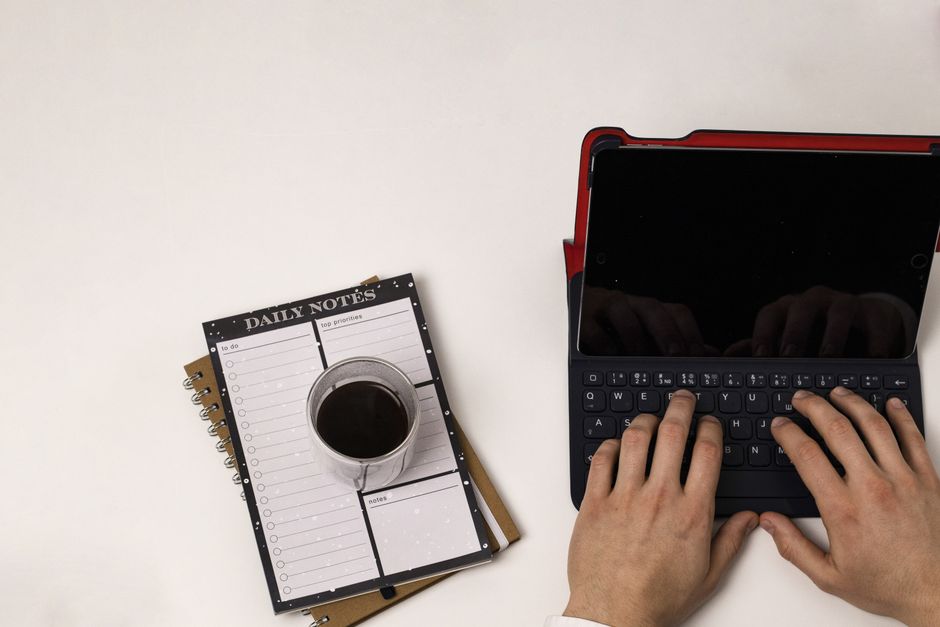
Why Creative Routines At Home Starts to Drift After a Few Busy Days
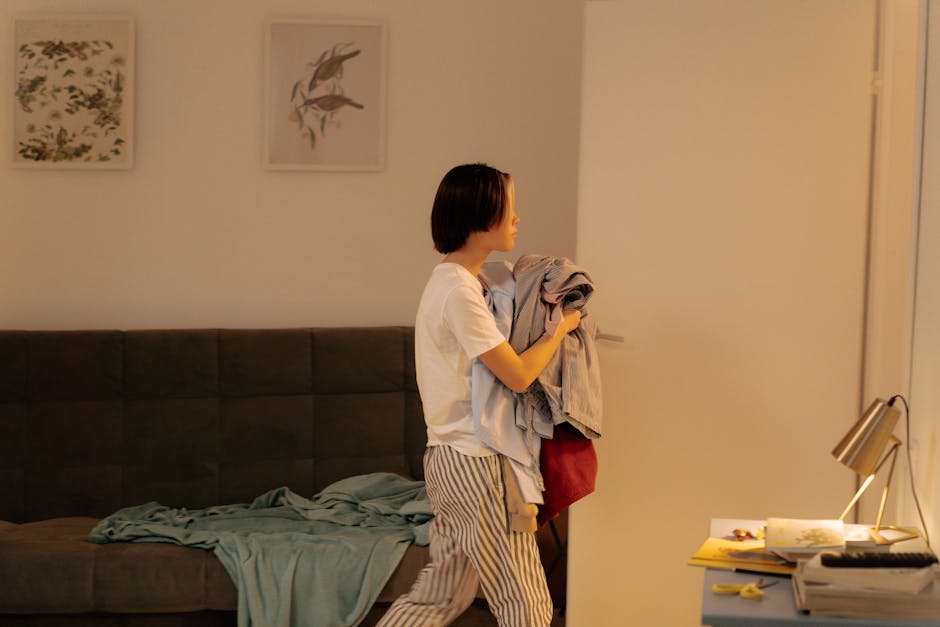
As the sun peeks through the curtains, the bedside table is cluttered with the remnants of last night’s hurried preparations: a closed planner, a half-packed bag, and a set of keys that seem to have no designated spot. The remote worker stares at the clock, realizing that the morning routine is already slipping away. Breakfast triage becomes a frantic decision-making process, with choices reduced to whatever can be grabbed quickly. The thought of checking the weather is brushed aside, overshadowed by the urgency of getting out the door. In this moment, the creative spark feels distant, overshadowed by the chaos of forgotten steps.
While packing the bag, the worker reaches for the notebook but finds it still resting on the table, untouched. The evening routine, intended to set up the day for success, falters when one critical step is skipped: preparing the bag the night before. This oversight creates a ripple effect, leading to a rushed departure and a missed weather check that leaves them unprepared for the day ahead. Each small adjustment, like moving the planner to an accessible spot, can help prevent these creative blocks that arise when the day starts late and disorganized.
The First Step That Gets Skipped
After a late finish the night before, the remote worker stands by the door, glancing at the cluttered scene: a half-packed bag, a set of keys, and an open notebook filled with ideas waiting to be explored. The intention to reset the day is clear, but the reality of the moment feels chaotic. The evening routine, once a structured plan for success, has faltered at the first step—preparing the bag the night before. Instead of a smooth transition into the day, the morning is now a frantic scramble.
The absence of a simple checklist makes it easy to overlook crucial items. The planner, still resting on the bedside table, remains closed, its contents forgotten. As the worker reaches for the bag, they realize the weather check hasn’t been done, a small oversight that now looms large. With the clock ticking, breakfast options shrink to whatever can be grabbed in haste. A quick glance out the window reveals a surprise drizzle, but it’s too late to adjust the outfit or grab an umbrella. This disorganization creates a ripple effect, stifling creativity and leaving the worker feeling unprepared before the day has even begun.
To prevent this breakdown, a small adjustment can make a significant difference. Moving the planner to a more accessible spot, perhaps right next to the keys, could serve as a visual reminder to check it each morning. This simple act could help ensure that essential steps aren’t skipped, allowing for a smoother start and a more productive day.
Hidden Steps in Your Morning Routine
This same friction shows up again in Everyday Life In The, especially when the day tightens unexpectedly.
As the remote worker stands near the door, bag in hand and keys jingling in the pocket, a crucial step slips through the cracks: checking the weather. Without a glance at the forecast, they might grab a light jacket instead of a heavier coat, only to step outside and feel the chill of an unexpected cold snap. This small oversight can throw off the entire morning, forcing them to turn back and waste precious minutes that could have been spent on creative tasks.
Meanwhile, the planner rests closed on the bedside table, its pages untouched. This simple act of not opening it leads to missed appointments and a disorganized start. The worker could have quickly reviewed the day’s agenda while sipping coffee, but instead, they rush out, unaware of the looming deadlines that were meant to be addressed. The planner, a tool designed to streamline the day, becomes another forgotten object in the morning chaos.
To mitigate these issues, a small adjustment can make a world of difference. Placing the planner next to the keys not only serves as a visual cue but also encourages a quick review of the day ahead. This way, the worker can ensure they’re prepared for any weather changes and have a clear sense of their schedule before stepping out. By integrating this overlooked step into the evening routine, the morning can flow more smoothly, reducing the friction that stifles creativity right from the start.
A Better Order for the Same Five Minutes
A slightly different version of this problem appears in Daily Routines Real Life, where the sequence changes but the hidden drag feels familiar.
The chaos of a rushed morning can often stem from a single overlooked step. For instance, skipping the weather check until it’s too late can lead to the frustration of leaving the house inappropriately dressed. Instead of checking the forecast while packing the bag, which is often a hurried task, consider moving this step to the evening routine.
Another adjustment is to pack the bag the night before, right after dinner. This simple act can save precious minutes in the morning. Place the bag by the door, ensuring it contains the notebook, laptop, and any other essentials needed for the day. A quick checklist can be mentally run through while packing: notebook? Check. Charger? Check. With the bag ready, the worker can focus on a smooth morning routine rather than scrambling to find items. This small change not only alleviates stress but also sets a calmer tone for the day ahead.
In a revised order, after dinner, the worker could take five minutes to check the weather, pack the bag, and lay out clothes for the next day. By placing the planner next to the bag, it serves as a reminder to review the day’s agenda before heading out. This sequence not only streamlines the morning but also helps prevent creative blocks caused by a disorganized start.
What Changes When You Adjust the Sequence?
In the early morning light, the bedside table holds the remnants of yesterday's chaos: a closed planner, a half-empty coffee cup, and a laptop bag waiting for attention. When the day starts late, the usual breakfast triage devolves into frantic decisions. Instead of a calm moment to choose between oatmeal or a smoothie, the remote worker finds themselves scrambling, unsure of what’s even available in the fridge. This disarray not only disrupts the flow but also stifles creativity, leaving them feeling unprepared before the first task begins.
By shifting the evening routine to include a quick weather check, the worker can lay out clothes that suit the day’s forecast. This small adjustment, made right after dinner, sets a clearer tone for the morning. With the bag packed and placed by the door, the worker can focus on breakfast rather than searching for the right outfit or wondering if they’ll need an umbrella. The planner, now opened to the next day’s agenda, serves as a visual cue to prioritize tasks and mentally prepare for the day ahead.
When the morning unfolds smoothly, breakfast becomes a moment of nourishment rather than a chaotic scramble. The remote worker can savor their meal, allowing for a mental reset that enhances their creative output. With fewer decisions to make in the moment, they feel more grounded and ready to tackle the day's challenges. The contrast between a rushed start and a structured evening routine becomes stark: one leads to a cluttered mind, while the other fosters clarity and focus.
As the remote worker stands by the door, the bag packed and the planner opened, the importance of each small adjustment becomes clear. Skipping the weather check can lead to a frantic scramble later, but taking a moment the night before to decide on an outfit and check the forecast sets a smoother tone for the morning. This simple act of preparation allows for a more intentional breakfast, transforming it from a rushed necessity into a moment of calm.
In this busy routine, the first thing to slip often is that evening reset. To counteract this, keeping the planner visible on the bedside table serves as a reminder to check off tasks and prepare for the next day. By making these small, consistent adjustments, the worker can avoid the creative blocks that arise from forgotten steps, ensuring that the day starts with clarity rather than chaos.